I did not go to Pune with a bustling itinerary. Truth be told, the Sahyadris were what I had actually come for. The plan was two nights in Pune to break the journey and sort out logistics, then explore the Western Ghats for the rest of the week. What I did not anticipate was how much Pune itself would contribute to the overall shape of the trip, not as a destination in its own right but as a place that quietly sets the tone for everything that follows.
By the time I left the city on the third morning, I understood why people who spend time in both places tend to talk about them together. Pune and the Sahyadris exist in a relationship that most short-stay visitors do not fully register, as they tend to treat the two as separate itinerary items rather than one continuous experience.
Arriving in Pune With Low Expectations
I came in by train from Mumbai, which is the most sensible option. The Deccan Express and the Shatabdi both do the route in a reasonable time, and arriving at Pune Junction puts you close to the older parts of the city without the airport transfer adding another layer to the first day.
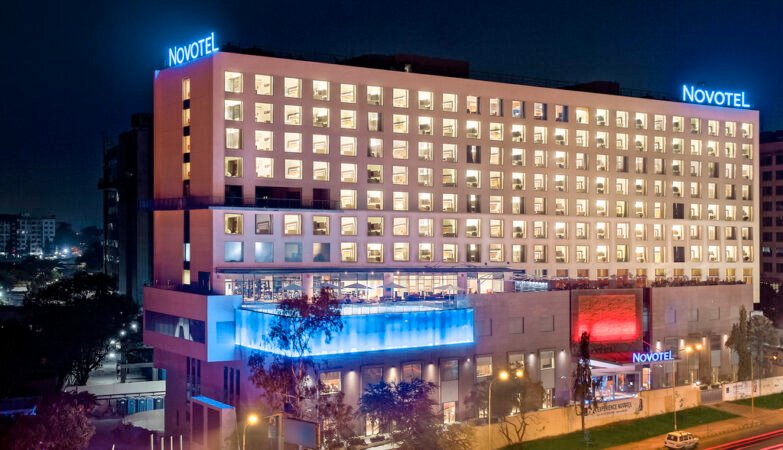
My accommodation was in the Koregaon Park area, which sits north-east of the city centre and has a reasonable concentration of hotels in Pune across different price points. It is a practical base comprising wide, tree-lined roads, proximity to the German Bakery and the restaurants along North Main Road.
It also offers easy auto-rickshaw access to several places worth visiting. I had sorted the booking in advance, which in Pune is worth doing if you are visiting over a weekend when the city fills with people coming in from Mumbai.
What Pune Offers in Two Days?
Pune is not a city that reveals itself immediately. One of the most rewarding stops is the Aga Khan Palace, best known for its connection to Mahatma Gandhi and the Quit India Movement. The museum is modest, but the building and grounds leave a lasting impression.
Shaniwar Wada is equally worth visiting. Once the seat of the Peshwa rulers, the palace was largely destroyed by fire in the nineteenth century. What remains still gives a sense of its former scale, particularly the massive entrance gate and fortification walls.
For a different perspective, wander through the older neighbourhoods around Kasba Peth. The narrow streets and historic temples offer a glimpse of Pune before the technology parks and modern developments reshaped the city.
A Taste of Maharashtra
Pune’s food culture feels firmly rooted in Maharashtra. Misal pav, the spicy lentil dish served with bread rolls, is one of the local staples and makes an excellent breakfast.
One evening, I opted for a traditional Maharashtrian thali in Koregaon Park. It felt like the right introduction to the regional cuisine before heading into the hills, where meals tend to become simpler and more practical.
The Road to the Sahyadris
Leaving Pune on the third morning, the landscape changed surprisingly quickly. Within an hour, the city gave way to rising hills, thicker vegetation, and the rugged basalt formations that define the Western Ghats.
The transition feels almost seamless. One moment, you are navigating city roads; the next, you are looking out across ridgelines and forested valleys.
What made the shift more meaningful was the context Pune had already provided. The Maratha history encountered at Shaniwar Wada continues into the hill forts scattered across the Sahyadris. Even the food culture follows you, appearing in a simpler form at roadside eateries and village stops.
Why the Two Days Mattered
Pune works particularly well as a starting point for exploring the Western Ghats. It offers enough history, culture, and local character to reward a short stay without overwhelming the itinerary.
I arrived expecting a convenient stopover and left seeing it differently. Pune was not simply a place to pass through. It was the first chapter of the journey, one that made everything that followed easier to understand.